

FDD is a Washington, DC-based nonpartisan research institute focusing on national security and foreign policy.
FDD does not accept donations from any foreign governments.
Subscribe to FDD
Receive FDD's latest research and analysis
Trending Issues
Israel at War
Hamas Releases Video of American-Israeli Hostage
Flash Brief
Anti-Israel protests on U.S. college campuses
NewsNation
Iran-backed Terrorism
Iran-Backed Iraqi Militias Resume Attacks on U.S. Forces
Flash Brief
Hezbollah’s credibility dilemma amid escalation
The group has a large arsenal of rockets, missiles, and drones. However, Hezbollah is also “too big to fail” in the Iranian proxy context.
The Jerusalem Post
April 14, 2024
3:00 pm
EVENT: Iran’s Historic Aerial Assault on Israel: SITREP and Policy Options
The Islamic Republic of Iran ramped up its decades-long assault on Israel with an unprecedented attack last night, firing an estimated 300 drones and missiles at Israel – including directly from Iranian soil. Israel’s multi-layered missile defense system, along with robust support from a broad coalition of allied partners in the region, successfully thwarted the aerial offensive targeting Israeli civilians. All eyes are now on Jerusalem to see what happens next.
Experts
Mark Dubowitz
Chief Executive
- Iran Sanctions
- Iran Human Rights
- Syria
- Iran Missiles
- Iran
- Iran Global Threat Network
- Hezbollah
- Iran-backed Terrorism
- Sanctions and Illicit Finance
- Cyber
- Iran Nuclear
Behnam Ben Taleblu
Senior Fellow
- Iran
- Iran Sanctions
- Iran Missiles
- Iran Human Rights
- Iran Politics and Economy
- Iran Global Threat Network
- Sanctions and Illicit Finance
Bradley Bowman
CMPP Senior Director
Andrea Stricker
Nonproliferation and Biodefense Program Deputy Director and Research Fellow
What they're saying
"Mr. Dubowitz’s campaign to draw attention to what he saw as the Iran nuclear deal's flaws has taken its place among the most consequential ever undertaken by a Washington think tank leader."

New York Times
“FDD is highly influential in the area of public policy … I would like to thank FDD for publishing numerous articles advocating for international support of Taiwan.”

Tsai Ing-wen
President of Taiwan
"Thank you to FDD…for the many, many years of great work that you’ve done. I've known the organization and relied on its expertise long before this conversation today."
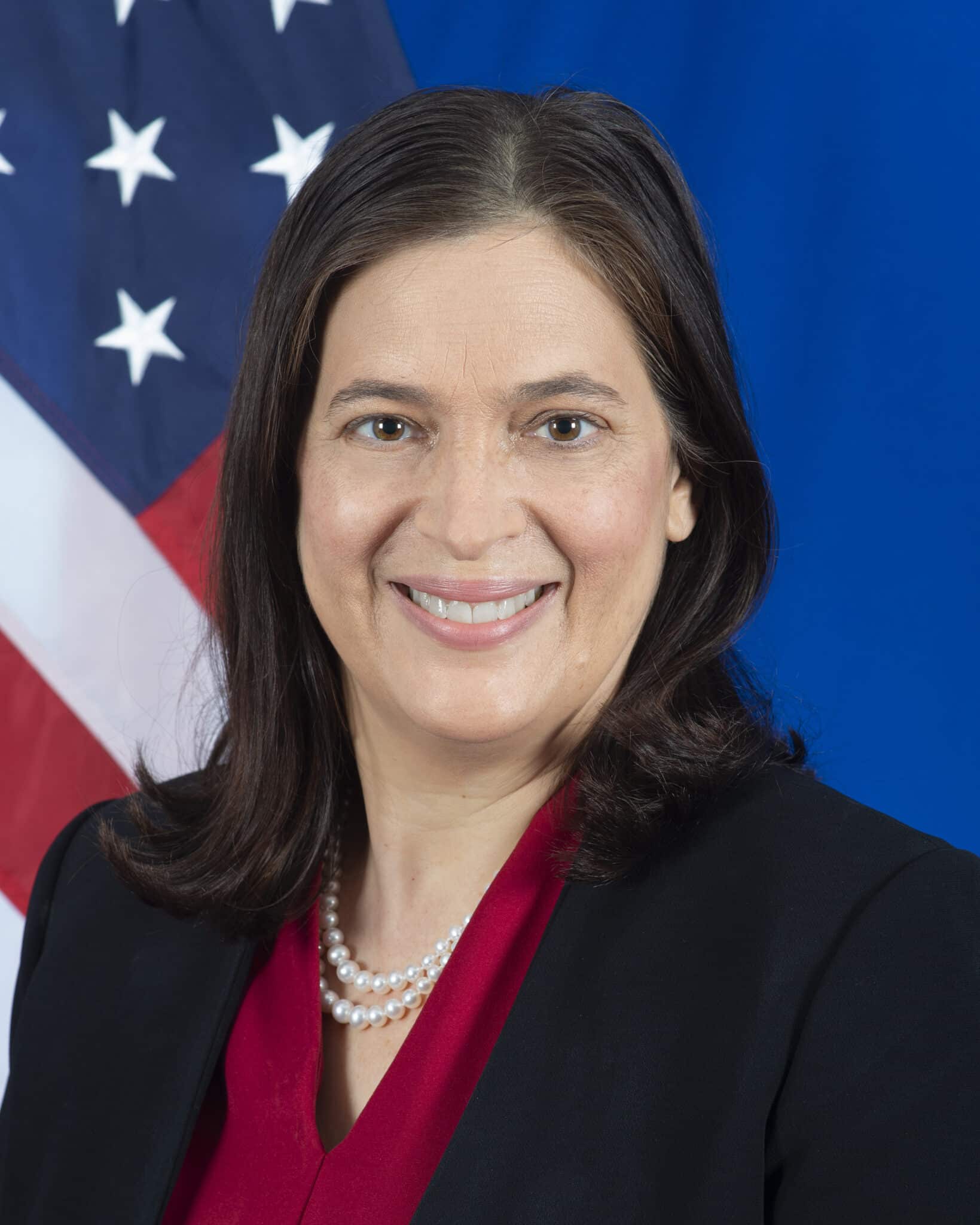
Jessica Lewis
Assistant Secretary for Political-Military Affairs, U.S. Department of State
"I will tell you that FDD has been such a partner. Whether it is dealing with the Iran deal and the flaws that were in it, all the way to human shields and all the things that we need to do to combat it, you've been a partner in a time where we need partners. And so I appreciate that very much."
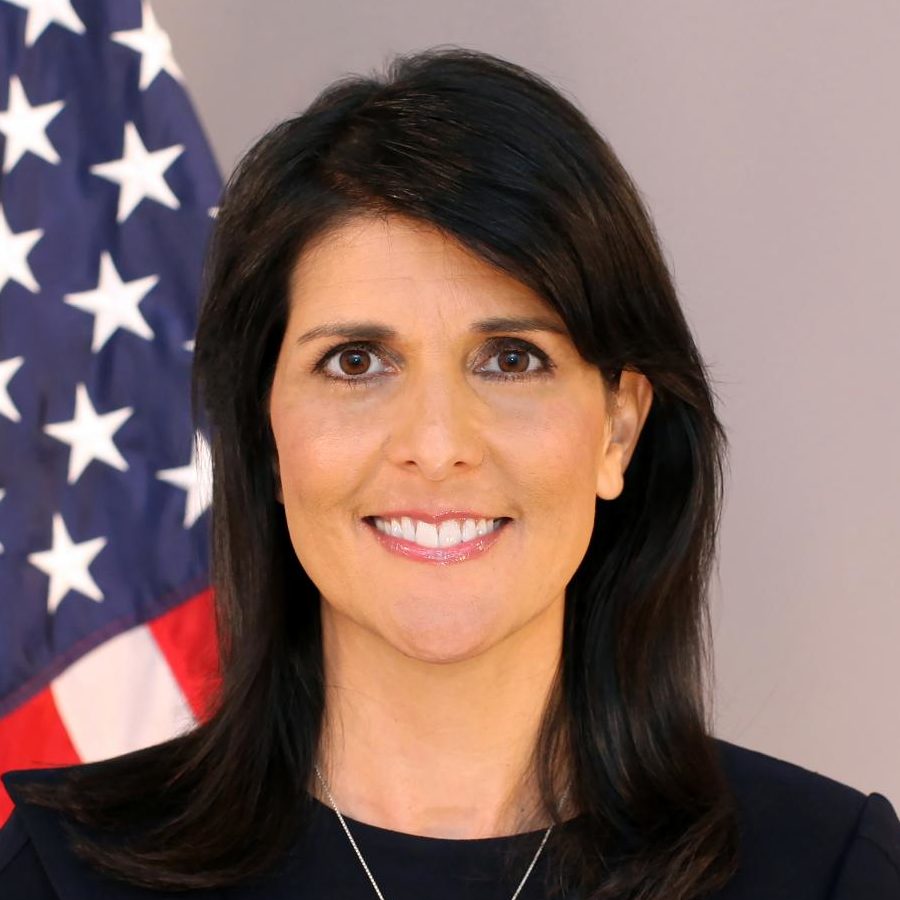
Amb. Nikki R. Haley
Former US Ambassador to the United Nations
“What FDD puts out [in] the national and international conversation, … you really are … a repository of knowledge on so many critical issues.”
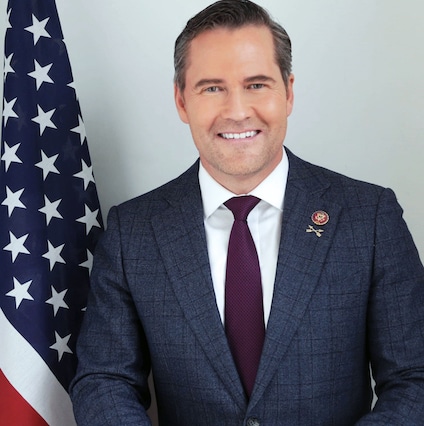
Rep. Mike Waltz (R-FL)
"I’ve always tried to have a 'bias for action,' and I appreciate how the Center on Military and Political Power isn’t intended to be a group of luminaries sitting around admiring the problem set, but an organization actively working to promote understanding of the strategies, policies, and capabilities we need to maintain our vital national interests. That bias towards action speaks to me – so I appreciate the endeavor that’s underway here."
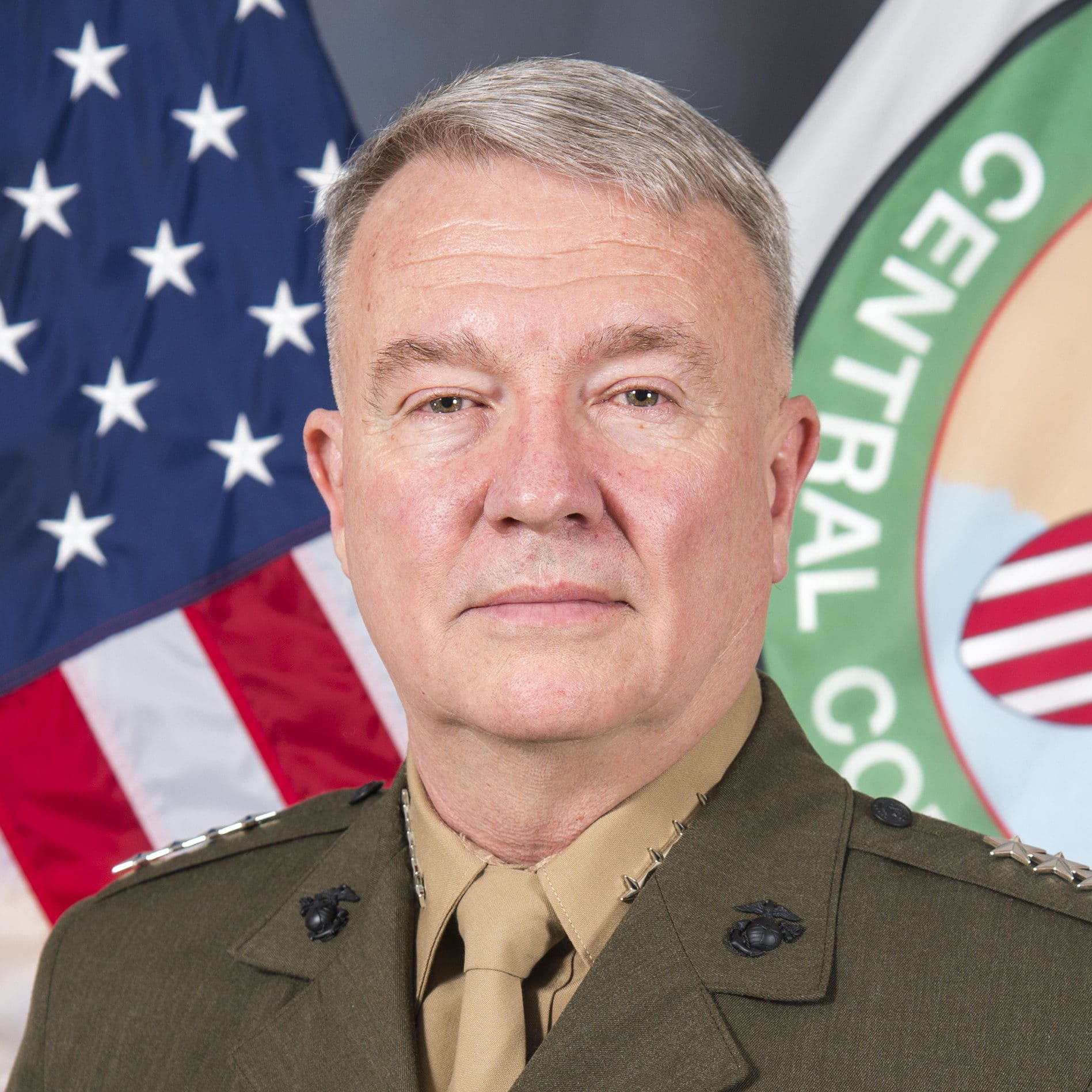
Gen. Kenneth F. McKenzie, Jr.
Former Commander, U.S. Central Command
"The output generated today and every day at FDD is invaluable and inexplicably linked to the defense of our nation."
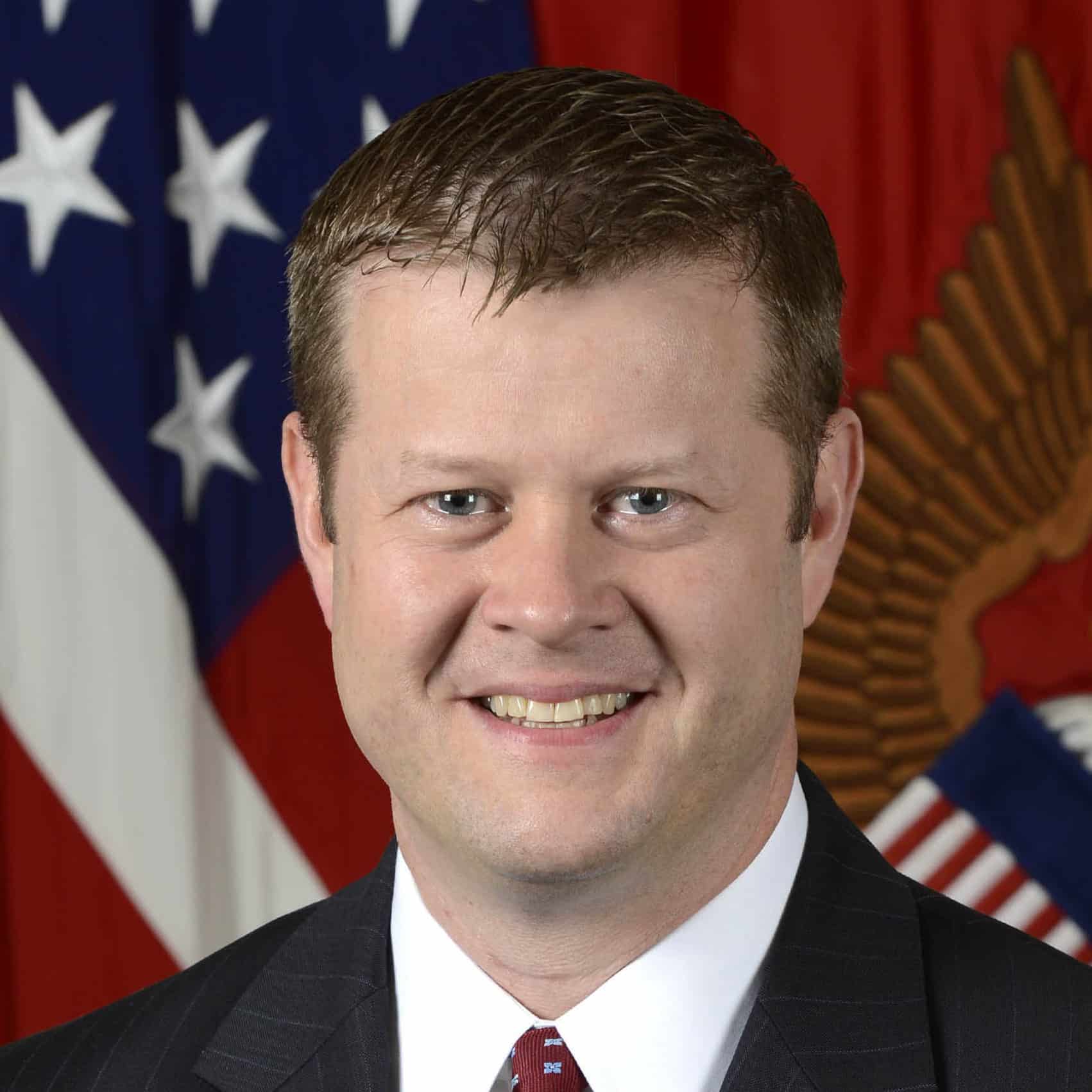
Hon. Ryan D. McCarthy
Acting Secretary, U.S. Army
"A record low for the reach of petrodollars: CIA & FDD fake news w/ selective AlQaeda docs re: Iran can't whitewash role of US allies in 9/11"
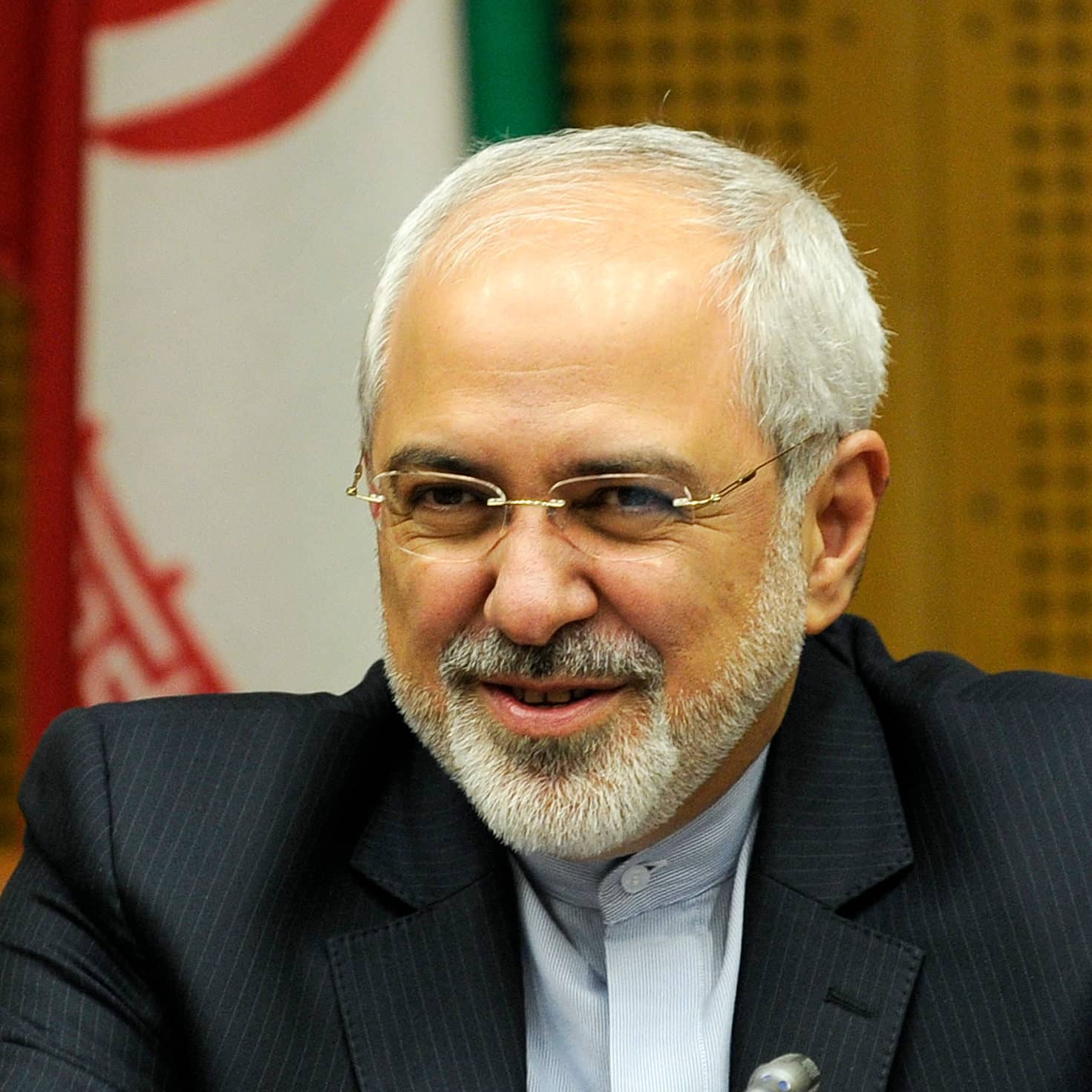
Javad Zarif
Iran's Foreign Minister
FDD's Long War Journal [is] the best source of public information on terrorism.
Michael Morell
former Acting and Deputy Director, Central Intelligence Agency
“I think what distinguishes FDD is that you publish not only insightful and thoughtful analysis, but your products are operational and they're actionable, and I can assure you that they're read throughout our government and we look forward to reading more.”
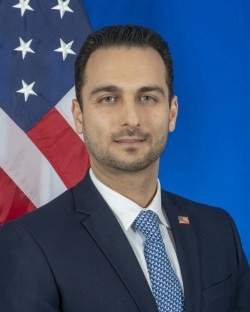
David Peyman
Deputy Assistant Secretary for Counter Threat Finance and Sanctions, U.S. Department of State
“I have long admired the Foundation for Defense of Democracies. I have long felt it’s very important the issues that are raised here, and I have long felt that when we talk about foreign policy, it has to be done on a bipartisan basis and we have to work very closely together across the aisle.”

Rep. Eliot Engel (D-NY)
Chairman, House Foreign Affairs Committee
"We rely on a lot of the analysis that FDD does. It's enormously effective at what it does, deeply substantive, passionate about its work, all the sorts of things that you would want in a think tank."

Brian Hook
Special Representative for Iran, U.S. Department of State
“It is the efforts of the Foundation for Defense of Democracies that is dedicated to these issues day in and day out – your work every day makes a real difference in these battles that we wage.”
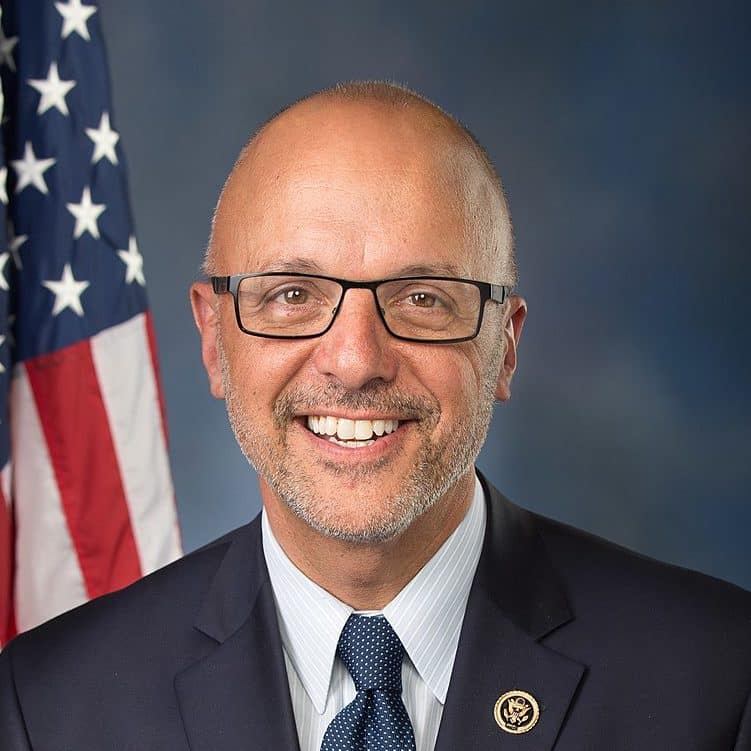
Rep. Ted Deutch (D-FL)
“I love FDD. … I want to thank FDD for the work it's done over the years on so many critical issues. ... We have drawn heavily on the scholarship and analysis of FDD. … We need organizations like FDD to continue their scholarship on the threats that we face.”
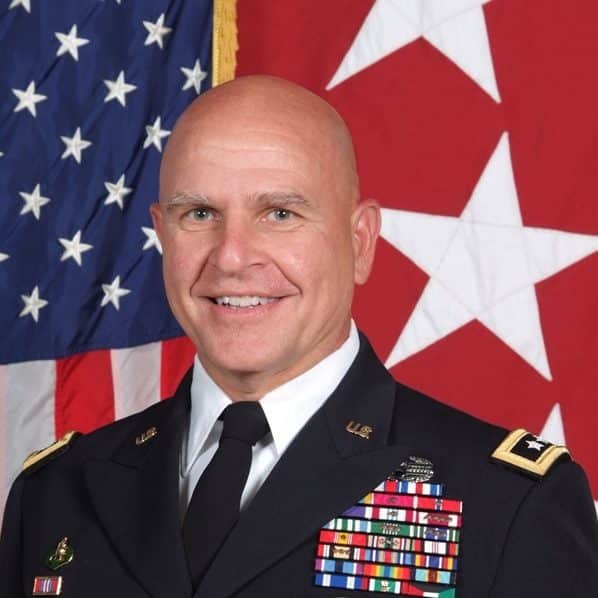
LTG (Ret.) H.R. McMaster
Former National Security Advisor
“I am a proud alumnus of FDD’s National Security Fellows Program. FDD has really distinguished itself as a hub and a place where you really have invested in the next generation of national security leaders, and that's critical.”
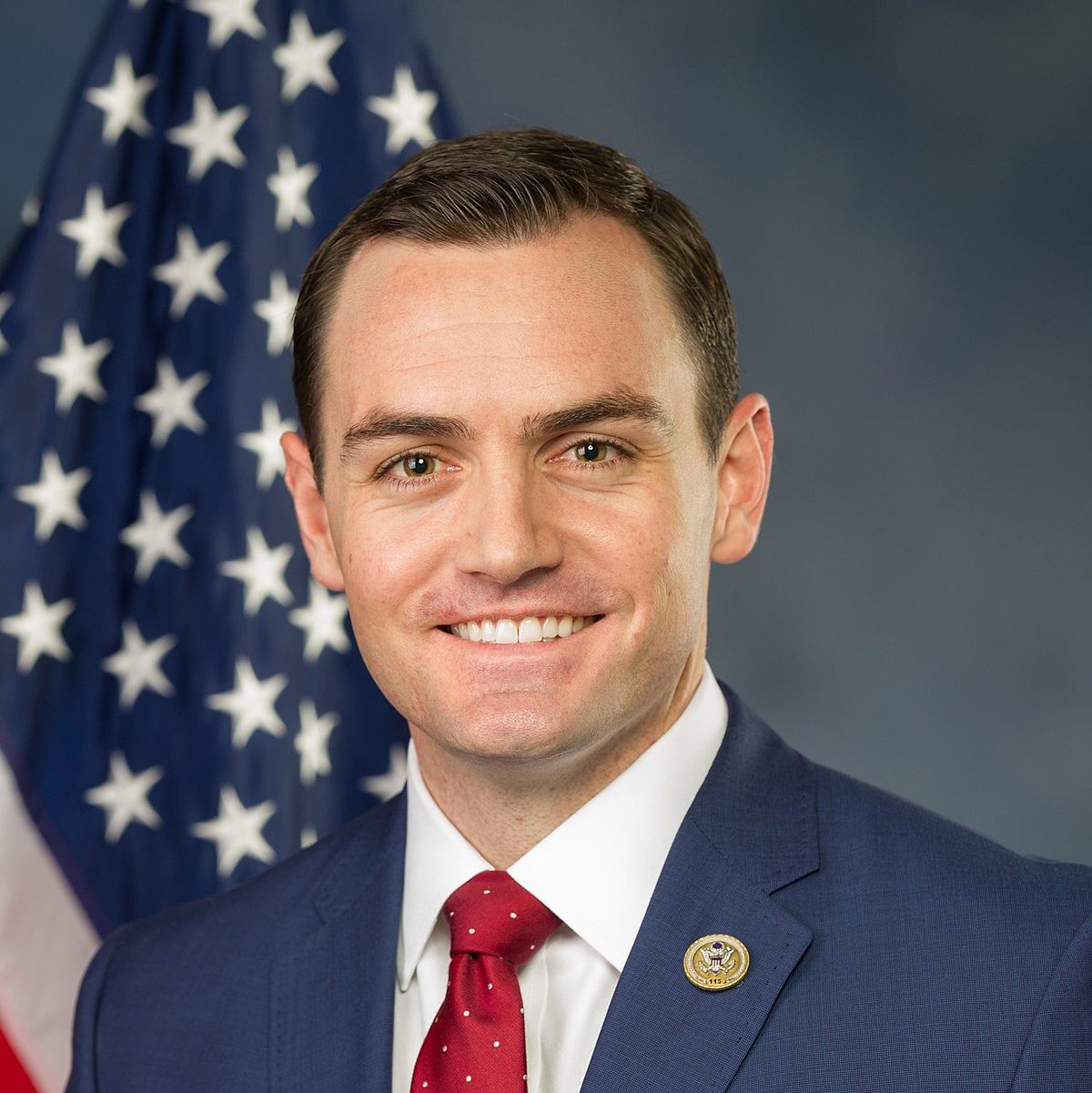
Rep. Mike Gallagher
(R-WI-8), 2011 FDD National Security Fellow
"As FDD knows and has exposed very well, Iranian commercial airlines play a critical role in ferrying Qods Force operatives, weapons, equipment, and funds to international locations in furtherance of Iranian state-sponsored terror operations."
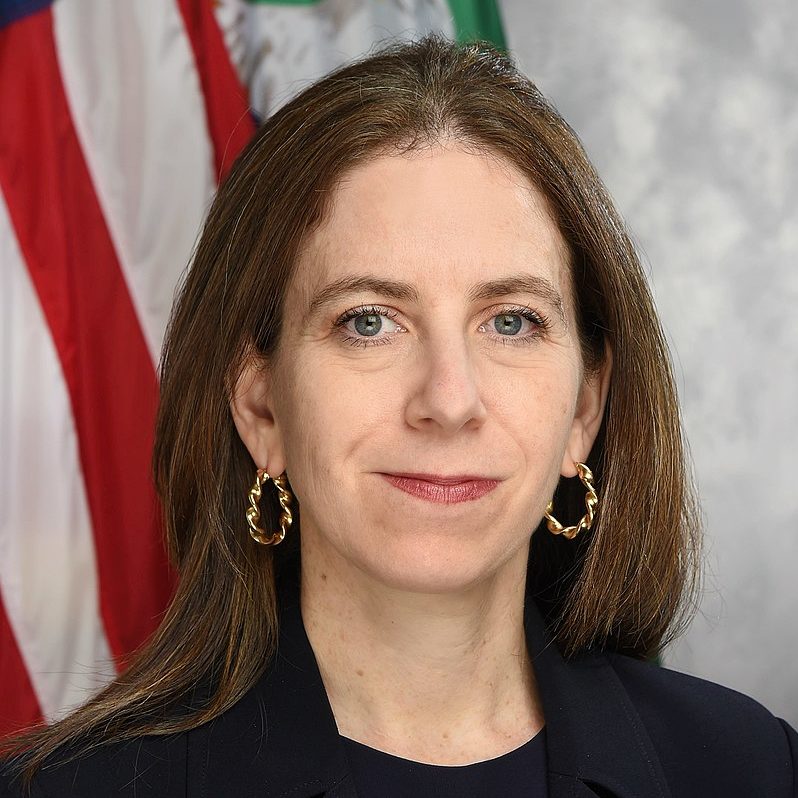
Sigal Mandelker
Undersecretary of the Treasury for Terrorism and Financial Intelligence
“The intelligence community notes what FDD does and deeply appreciates it. Your scholarship shows connections between a whole bunch of nefarious actors out there – proliferators, sanctions-busters, and money-launderers. What it is you’re able to do with open sources complements and reinforces what goes on inside the intelligence community.”

Gen. Michael Hayden
Former Director, Central Intelligence Agency and the National Security Agency
“The Foundation is making a difference across the world.”

George W. Bush
Former President
Overnight Brief: April 26, 2024
Read Full BriefToday In Issues:
FDD Research & Analysis
- Today at 8:30am (ET): "FDD Morning Brief," FDD Event
- "Lidar: Another emerging technology brought to you by China," Defense News
- "America needs to treat ‘the cloud’ as critical infrastructure," The Hill
- "Columbia must send the pro-Hamas protestors a clear message," The Hill
- "How Universities Can Take Back the Quad," The Dispatch
- "Be skeptical of reports of Iran ‘withdrawing’ from Syria," The Jerusalem Post
- "Hezbollah’s credibility dilemma amid escalation," The Jerusalem Post
- "Iran’s president in Sri Lanka, as Argentina seeks arrest of Iran’s interior minister," The Jerusalem Post
- "Hamas Releases Video of American-Israeli Hostage," FDD Flash Brief
- "Iran Rebuffs Argentine Request for Extradition of Key Terrorist Mastermind," FDD Flash Brief
The Must-Reads
- US issues further sanctions on Iran, targets drones
- Egyptian intelligence chief to head delegation to Israel - report
- ByteDance would shut down TikTok in US rather than sell it, sources say
- Russian missile incursions into NATO risk wider war, Poland’s President says
- US won’t sanction IDF units for alleged West Bank rights abuses – report
- Ukraine pulls US-provided Abrams tanks from the front lines over Russian drone threats
- Hamas insists Gaza war end for any hostage deal, says won't be swayed by U.S. pressure
- Britain says its navy shot down Houthi missile targeting merchant ship
- French missile double punch adds new naval capability for Europe
- North Korean official lambasts US over sanctions, state media says
- Xi tells Blinken to accept China’s rise if relations to improve
- Ship comes under attack off coast of Yemen as Houthi rebel campaign appears to gain new speed